
THE UNCOMMON INDEX
A working collection of plants to explore
Uncommon depends on whose experience we’re considering. The collection will change as we learn.
We’re developing our P6 area into a food forest, aiming to include the eight layers of permaculture design. We envision this space mimicking the structural diversity of a mature woodland area.

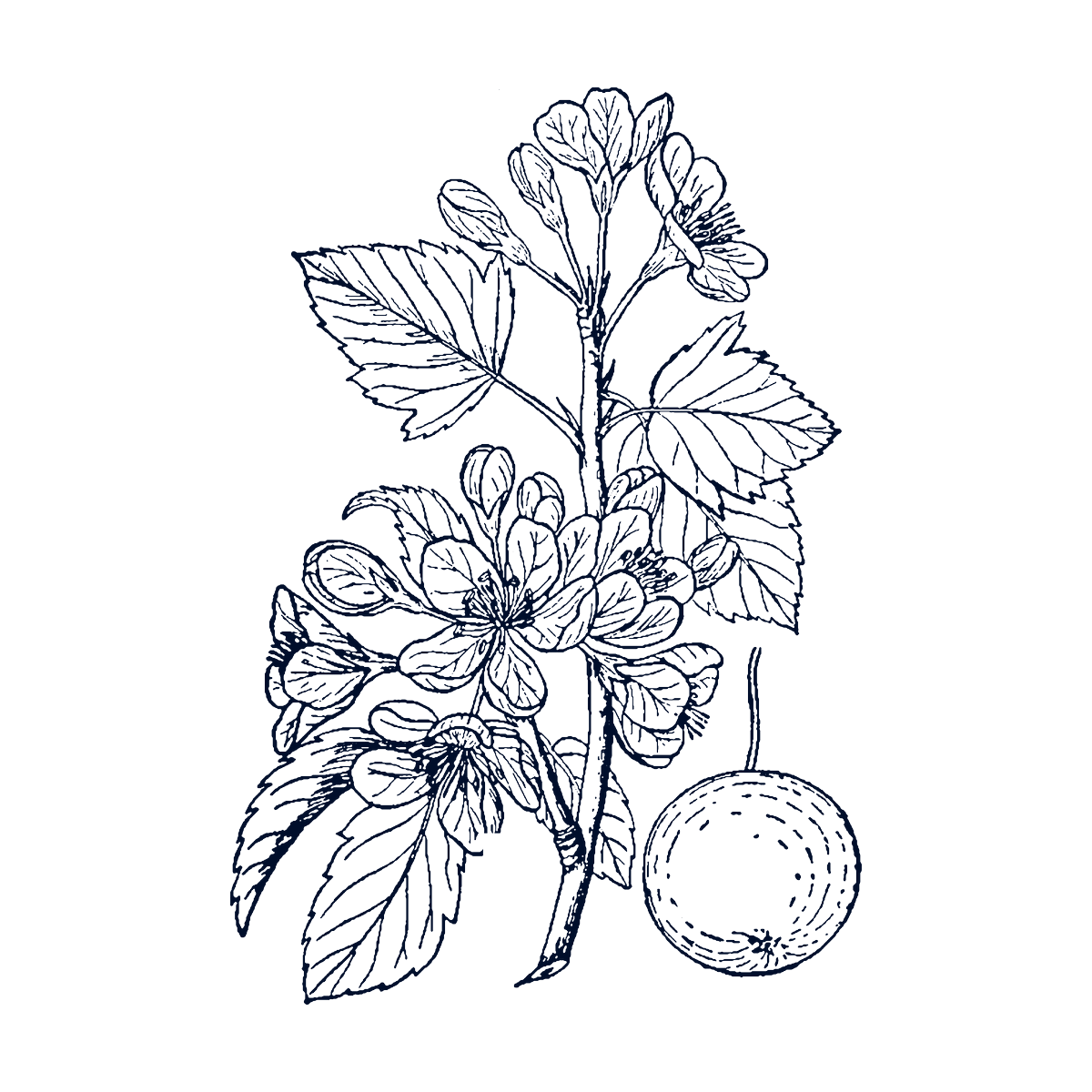
Illustration: Britton & Brown, 1913
Apple
Malus domestica
- ORIGIN
- Tian Shan, Central Asia
- USE
- Dessert, cooking, cider
- HERE
- 23 varieties, about 1,000 trees
The foundation of the farm, from 1970s Empire and Rome to wild Kazakh selections. SEE THE APPLES →
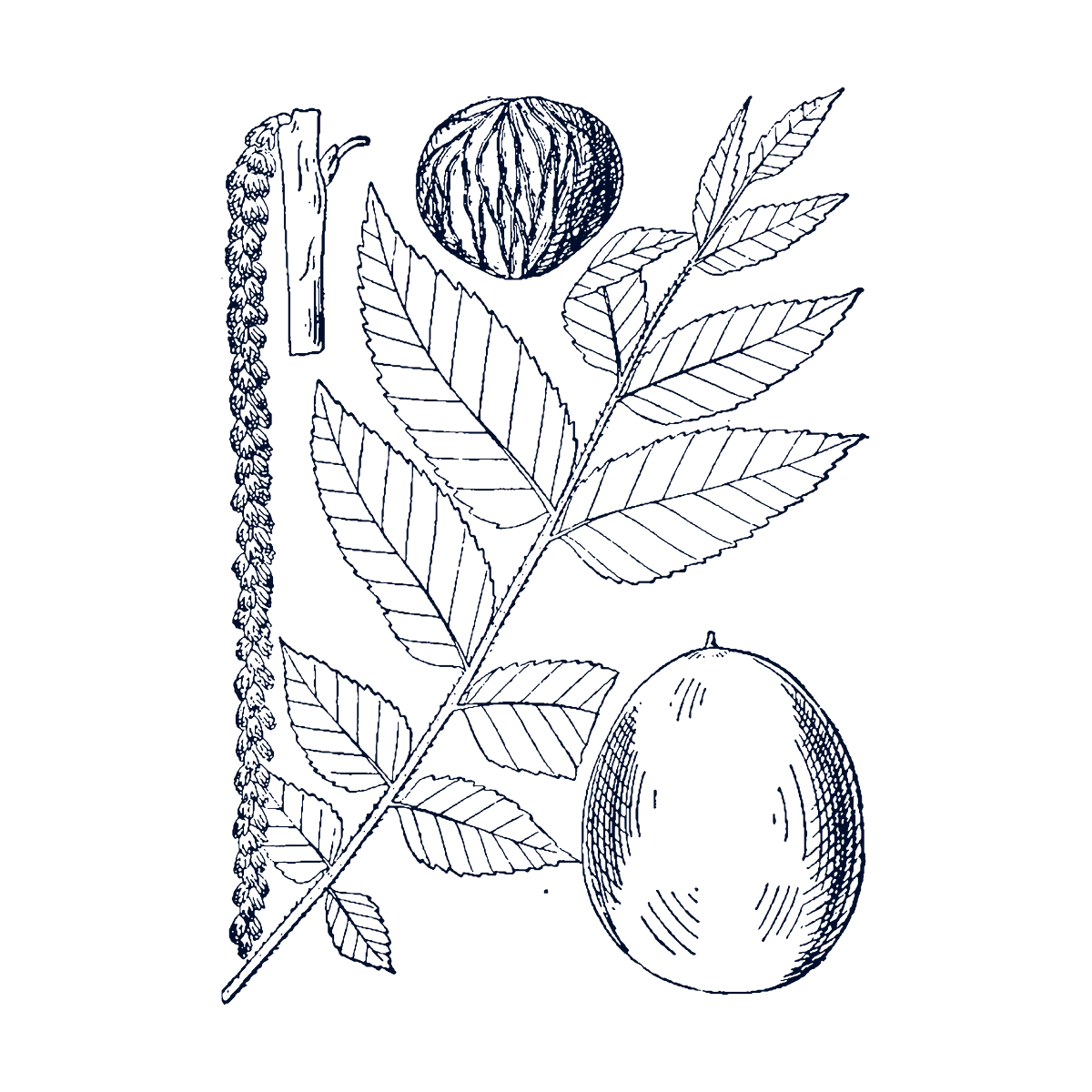
Illustration: Britton & Brown, 1913
Black Walnut
Juglans nigra
- ORIGIN
- Eastern North America
- USE
- Nuts, timber, dye
- GROWS
- Large tree; its roots release juglone, which many plants dislike
A strong, earthy nut that is hard to crack and rarely sold, and a tree that shapes what can grow around it.
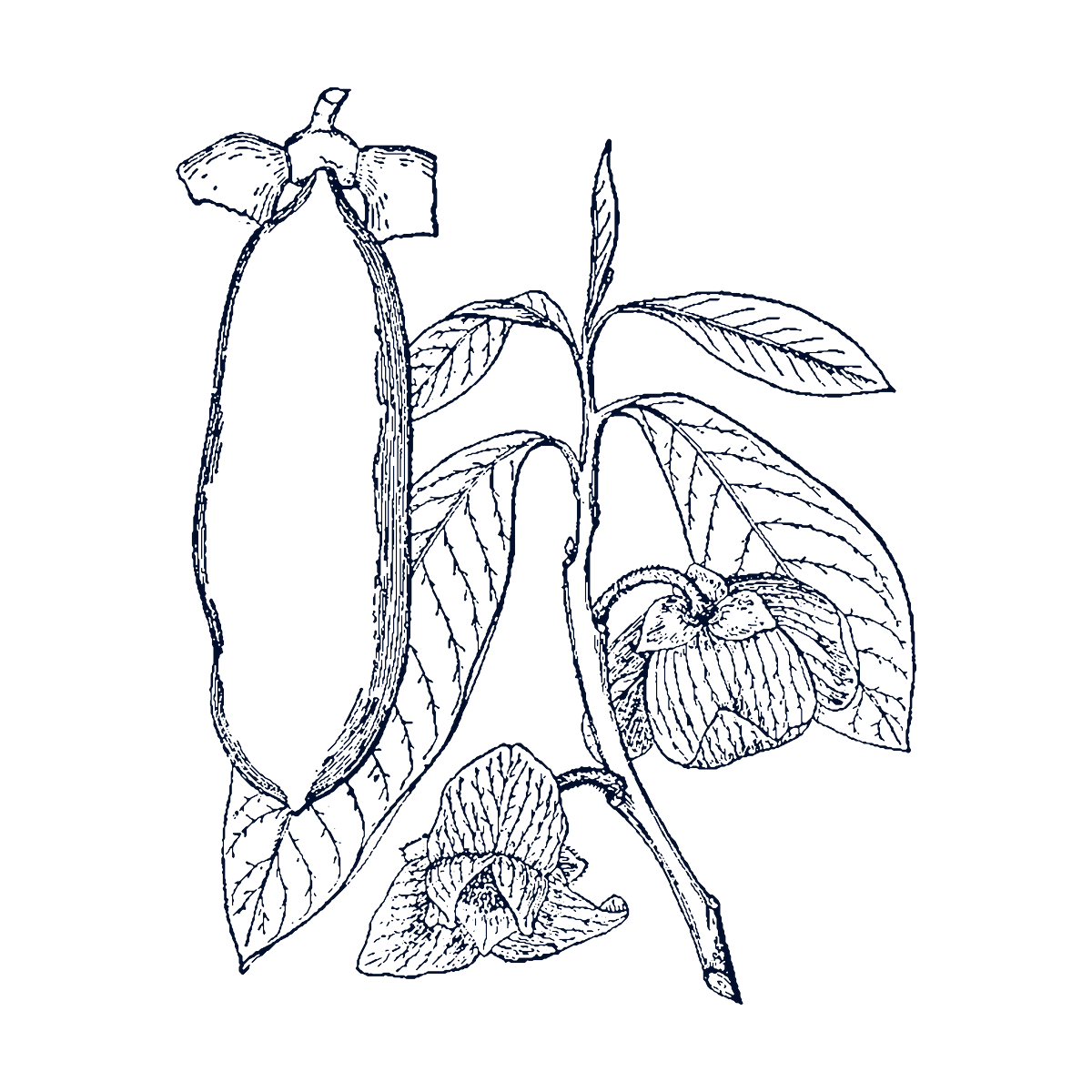
Illustration: Britton & Brown, 1913
Pawpaw
Asimina triloba
- ORIGIN
- Eastern North America
- USE
- Fresh fruit, custards, ice cream
- GROWS
- Understory tree; needs two unrelated trees to fruit
The largest fruit native to North America, with a tropical, custard-like flesh that bruises too easily for the grocery store.
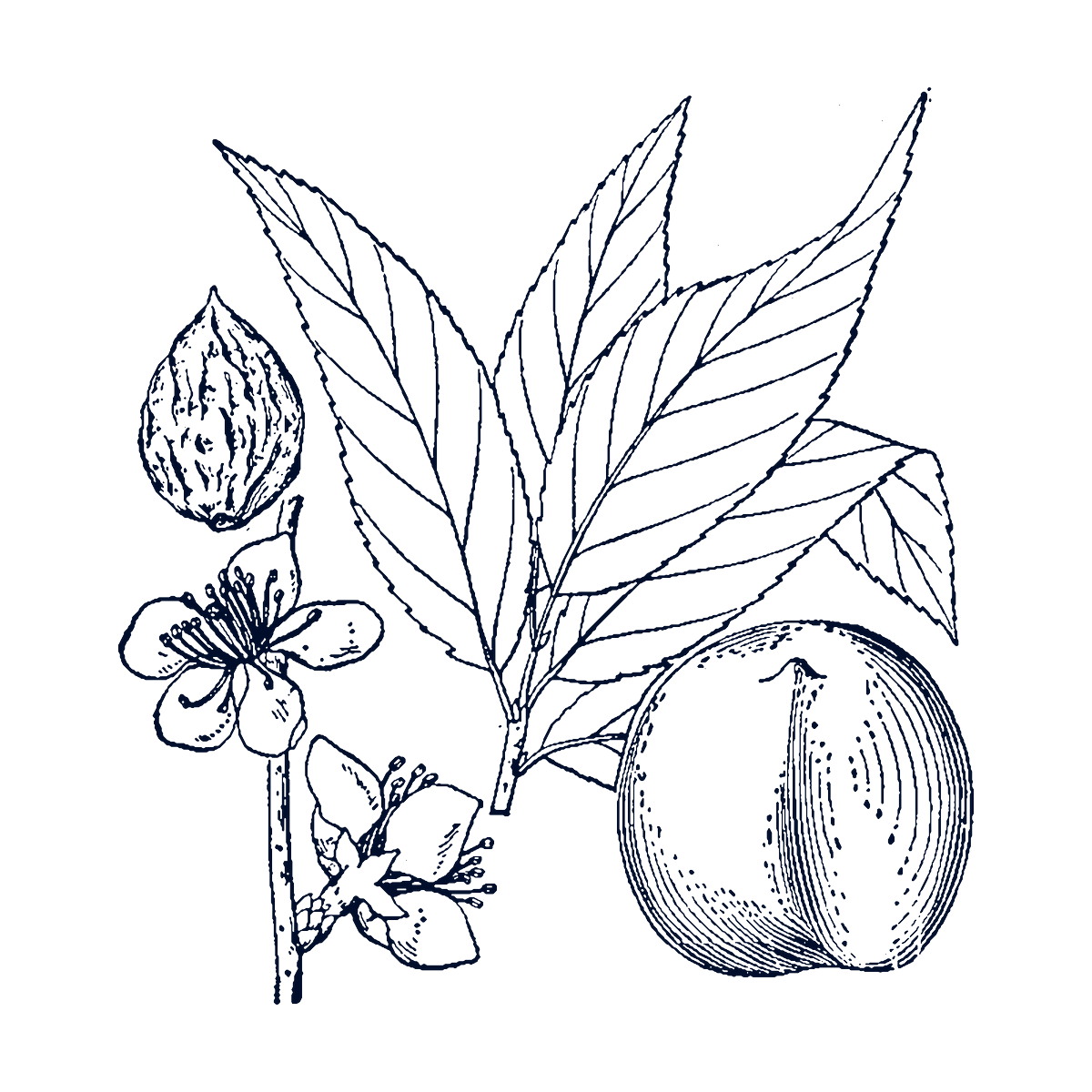
Illustration: Britton & Brown, 1913
Peach
Prunus persica
- ORIGIN
- China
- USE
- Fresh fruit, preserves
- TYPES
- White-fleshed, flat and blood-red
Beyond the standard yellow peach: flat, white and red-fleshed types chosen for flavor and texture.
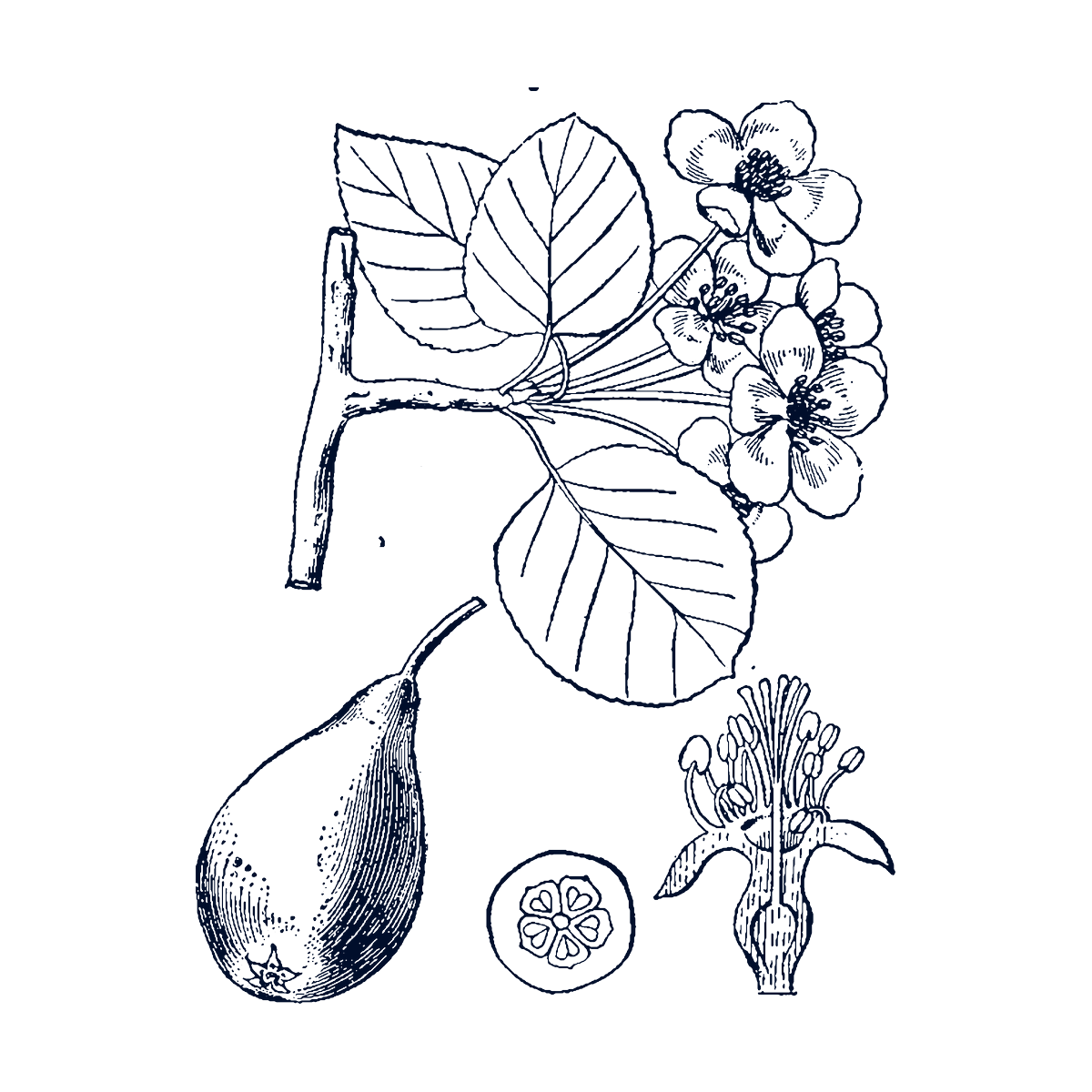
Illustration: Britton & Brown, 1913
Pear
Pyrus communis
- ORIGIN
- Europe and western Asia
- USE
- Dessert, cooking, perry
- GROWS
- Long-lived; ripens off the tree
New pears for the renovated orchard, going in alongside the stone fruit in spring 2027.

Illustration: Britton & Brown, 1913
Persimmon
Diospyros virginiana
- ORIGIN
- Eastern United States
- USE
- Puddings, breads, dried fruit
- GROWS
- Hardy; fruit is astringent until fully soft
America’s native persimmon: small, intensely sweet once truly ripe, and a fixture of old Midwestern baking.
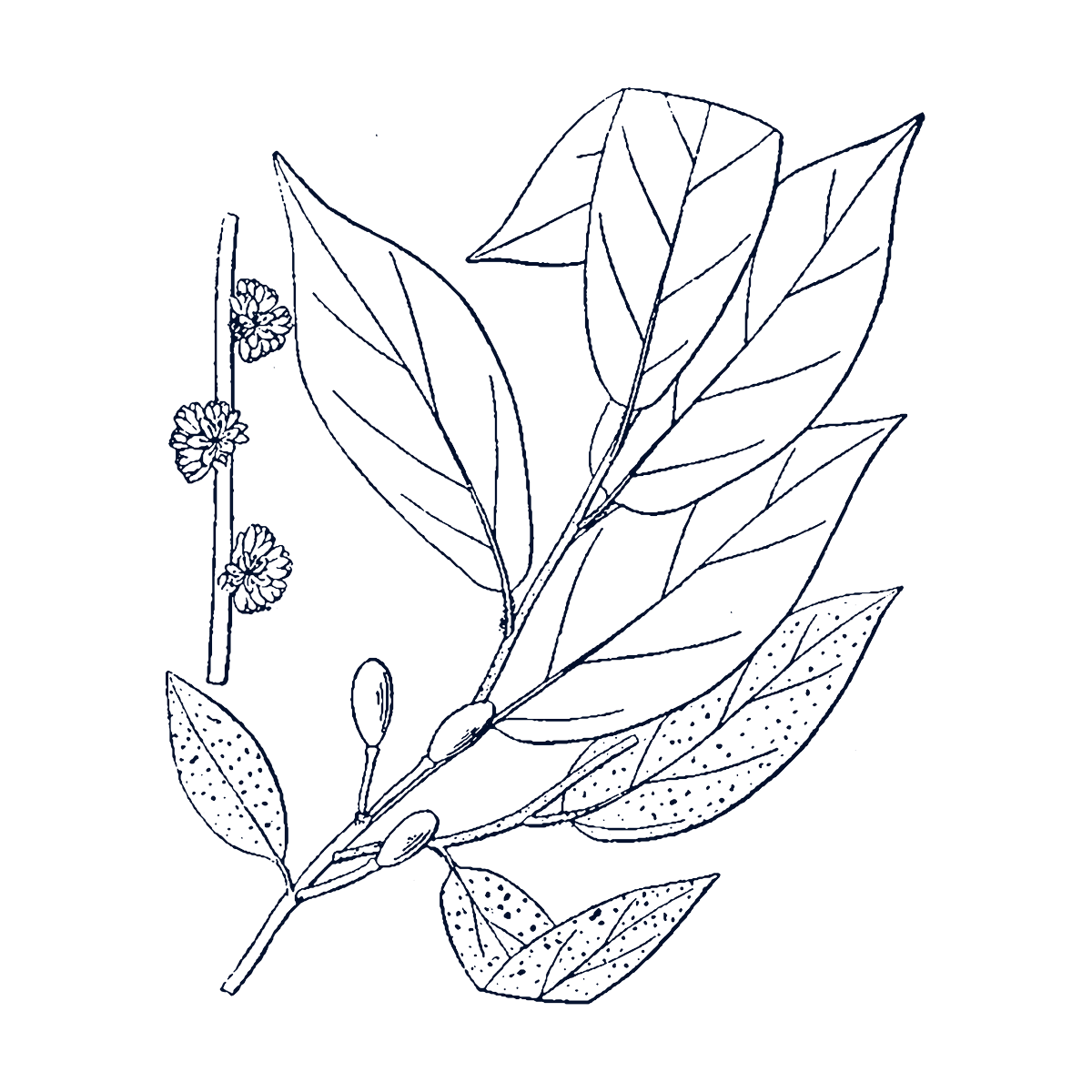
Illustration: Britton & Brown, 1913
Spicebush
Lindera benzoin
- ORIGIN
- Eastern North America
- USE
- Berries as a spice, leaves for tea
- GROWS
- Shade-tolerant shrub; male and female plants
A native shrub whose red berries taste of allspice and pepper, and one of the first pollen sources for bees in spring.
The next plant
The index grows as we learn

“What makes a crop uncommon?”
Pawpaw is a backyard fruit across Ohio and Appalachia; persimmon pudding is a tradition in southern Indiana. In a Hudson Valley market, both are curiosities. The index is a record of that distance, and of closing it.
WHAT SHOULD we GROW?
Suggest our next uncommon species
If you grow, cook with, or love a plant that belongs here, write to us.